



LiFePO4 Battery Upgrades

Are Lithium Batteries Worth the Cost?
One of the most common questions I get is:
“Are lithium batteries really worth the extra cost?”
My answer is simple:
Yes. Absolutely worth every penny—if those pennies are spent wisely.
Understanding the Difference
Not all batteries are created equal. The most common comparison is between traditional lead-based batteries—such as SLA (sealed lead acid) and AGM—and modern Lithium Iron Phosphate (LiFePO4) batteries.
While lead-acid batteries have been around for decades and may appear cheaper upfront, they come with significant limitations that often make them more expensive over time.
LiFePO4 batteries, on the other hand, represent a major leap forward in energy storage technology.
Usable Power: What You Actually Get
One of the biggest differences is usable capacity.
With lead-acid batteries, you typically can only use about 50% of the rated capacity without damaging the battery. That means a 100Ah battery really only gives you about 50Ah of usable energy.
LiFePO4 batteries allow you to use 80–100% of their capacity safely and consistently.
So right away, you’re getting nearly double the usable power from a lithium battery of the same size.
Lifespan: The Real Cost Factor
This is where lithium truly separates itself.
Lead-acid batteries typically last:
- 300–500 charge cycles (AGM)
- Even less if frequently discharged deeply
LiFePO4 batteries commonly last:
- 3,000–5,000+ charge cycles
That’s not a small difference—that’s multiple times the lifespan.
What this means in real terms is simple: you may replace lead-acid batteries several times before a lithium battery even begins to show wear.
Maintenance and Reliability
Lead-acid systems require ongoing attention:
- Monitoring charge levels
- Avoiding deep discharge
- Managing voltage drop
- Dealing with sulfation over time
LiFePO4 batteries are essentially maintenance-free.
They provide:
- Stable voltage output
- Consistent performance
- No sulfation issues
- No regular maintenance requirements
They simply work—and keep working.
Weight and Efficiency
Another major advantage is weight.
LiFePO4 batteries are significantly lighter than lead-acid batteries with the same capacity. This is especially important in mobile applications like RVs, vans, and boats where weight directly impacts performance and efficiency.
They are also more efficient:
- Faster charging
- Less energy lost during use
- Better performance under load
Upfront Cost vs Long-Term Value
This is where most people hesitate.
Yes—lithium batteries cost more upfront.
But when you factor in:
- Longer lifespan
- Higher usable capacity
- No maintenance
- Fewer replacements
They are often the cheapest option over time.
In other words, you’re not just buying a battery—you’re buying years of reliable performance.
Where Lithium Makes the Most Sense
LiFePO4 batteries are especially valuable for:
- Off-grid systems
- RV and van life setups
- Marine applications
- Backup power systems
Anywhere you rely on stored energy daily, lithium quickly proves its value.
The Bottom Line
Are lithium batteries worth the cost?
Yes—if you’re looking at the full picture.
They provide:
- More usable power
- Longer lifespan
- Greater reliability
- Lower long-term cost
Lead-acid batteries may seem cheaper at first, but they often cost more in the long run—both financially and in system performance.
Final Thought
If you’re building a system you can depend on, lithium isn’t just an upgrade—it’s the foundation.
Spend wisely upfront, and you’ll avoid replacing, upgrading, and troubleshooting later.
In the world of off-grid power, that’s where the real value is.
Just recently, I met a neighbor that had a new 38′ 5th wheel. He ordered it with a stock 100AH Lead Acid Battery and no generator. He only went from RV park to RV park, with full hookups, so his logic was that he never needed an independent power system… UNTIL..
The last RV park had a 3 day power failure. His 100AH lead acid battery only lasted half a day due to his loads and residential refrigerator. Now, since the 5th Wheel was unhooked from his tow vehicle, it was up on it’s electric jacks. He could not lower the RV jacks to hook up and leave. So he had to spend three days until the power was restored and his battery was charged back up.
After 3 days and throwing all his refridgerated food away, he could charge his lead acid for a few hours and finally leave.
I ran into him and heard his story. I proposed a moderate solar system with Lithium Batteries, and he agreed. He is now power independent. His residential refrigerator, freezer and ice maker run 24/7 with no issues. He can charge every day or be on shore power. He now splits his time between RV parks and Boondocking.
I have field tested these prismatic cells for over two years. They work flawlessly and can handle extreme discharges, but, I recommend using conservative charge and discharge profiles, which can be set by most quality Solar Charge Controllers and Inverter/Chargers. This will insure your batteries last for years and over a decade is not uncommon for LIFEPO4 Battery packs.
3.2 Volt, 280 Amp Hour Cells

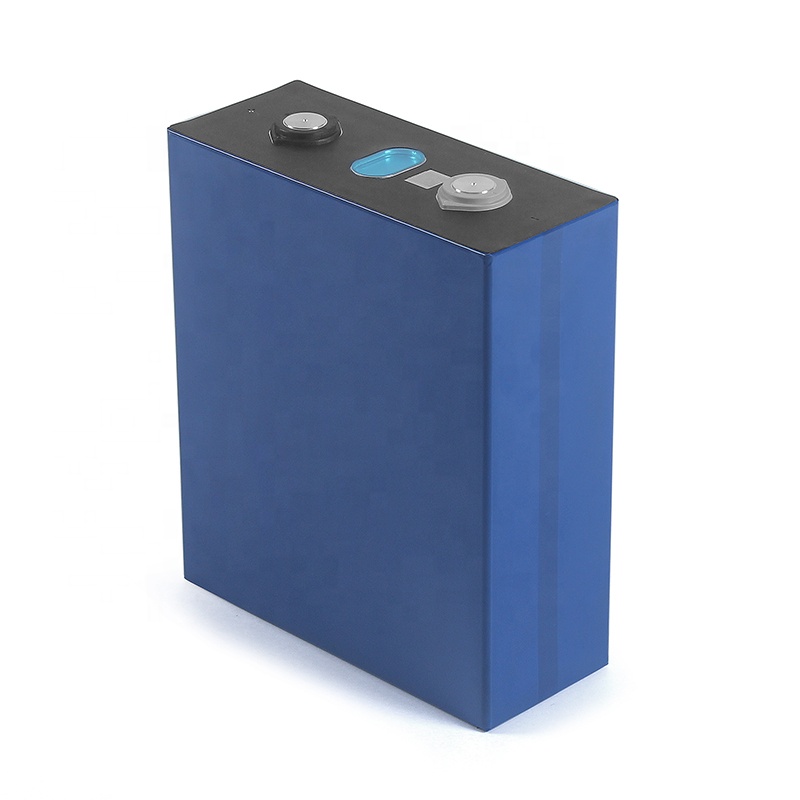
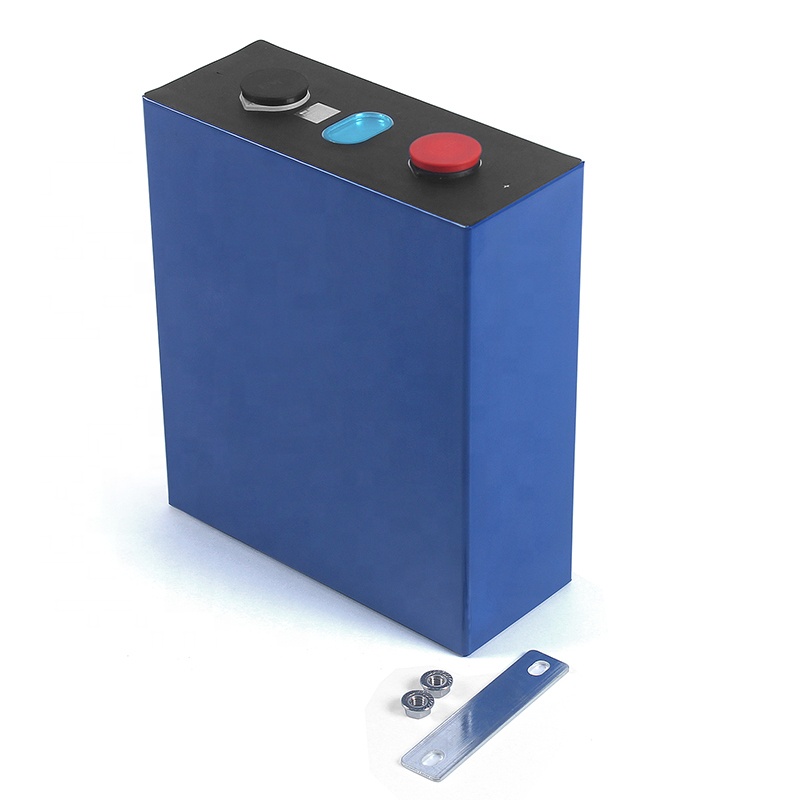
4 Cells make up the replacement of a typical 12V battery in voltage and approximate size. The main differences are:
- One of these 280 AH packs is the equivalent of Five typical 100 Amp Hour Lead Acid or AGM Batteries.
- Conservative methods of Charge to 90% and discharge to 20-50% will make them last ten or more years.
- Rated at 3500+ Charge and Discharge cycles. One cycle a day would equal about ten years. We expect longer life than that.
- Mantanance is not required. Not fluids to add.
- 1/3 the weight of the same physical size Lead Acid or AGM.
- Compartment venting is not required. No vapor discharges.
- Can be mounted in any position.
- Tremendous Cost Savings over life cycles and power delivery.
Here is a recent build a customer sent in.